
The digital world isn’t what it used to be—and frankly, that’s both exciting and terrifying. In this rapidly evolving cyber ecosystem, Cyber Insurance Emergence isn’t just a buzzword anymore – it’s an urgent response to growing technological threats, especially those powered by artificial intelligence.
So, what exactly is “cyber insurance emergence”? Simply put, it’s the rise and evolution of insurance products specifically designed to protect businesses and individuals from digital risks data breaches, phishing, ransomware, and increasingly, AI-generated deepfakes.
Unlike the early 2010s, where only tech giants worried about cyberattacks, today even small online retailers and freelancers need coverage. Why? Because the cybercriminal’s toolkit has grown smarter and cheaper, thanks to generative AI tools and deepfake technologies.
From our vantage point as an insurance provider in Canada, we’ve seen firsthand how attacks have morphed. Just last year, a mid-sized Toronto firm suffered a deepfake CEO video call scam, losing over $500,000. No firewall or training manual prepared them for that level of deception.
That’s where cyber insurance comes in. Not as a replacement for cybersecurity tools—but as a vital safety net when those tools fail.
Understanding AI-Driven Threats in 2025
Let’s face it—AI isn’t just writing poems and generating headshots anymore. Today’s artificial intelligence can impersonate voices, replicate facial expressions, and learn your behavior patterns faster than you can say “cyber breach.”
In 2025, the AI threat landscape includes:
Synthetic identity fraud
Voice cloning scams
AI-powered phishing emails tailored to your behavior
Automated password-cracking bots
Social media impersonation using generative AI tools
Even basic AI tools like ChatGPT (in malicious hands) can draft highly convincing phishing emails in seconds. Combine that with a voice clone of your boss—and voilà, you’re wiring money before you’ve had your morning coffee.
A report from Cybersecurity Ventures estimates global cybercrime costs will reach $10.5 trillion annually by 2025. AI is a key driver behind that staggering number.
So, if you’re asking, “Do I really need cyber insurance?” – the answer is a resounding yes.
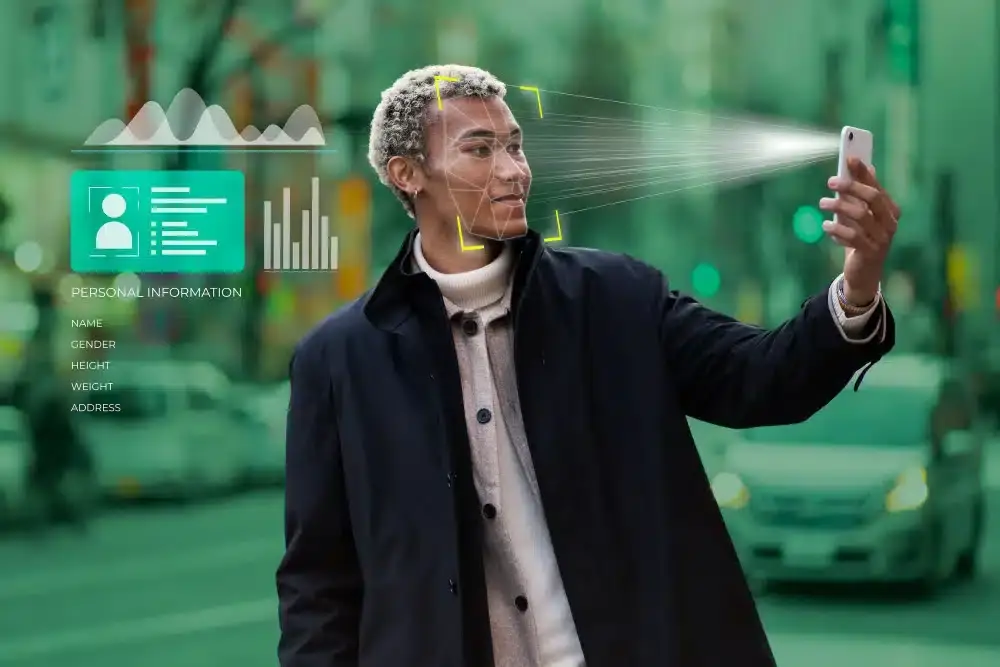
What Are Deepfakes and How Do They Work?
The term deepfake might sound like a sci-fi villain—and honestly, it kind of is. Deepfakes are synthetic media where AI manipulates existing images, videos, or audio recordings to create hyper-realistic but entirely false content.
They rely on generative adversarial networks (GANs)—a fancy way of saying one AI system creates fake content while another checks how “real” it seems, iteratively improving it.
These fakes can:
Mimic a CEO authorizing wire transfers
Fake a celebrity endorsing scams
Impersonate loved ones in distressing voice messages
Trick facial recognition systems for fraudulent access
And here’s the kicker: deepfakes are no longer just the domain of sophisticated hackers. Open-source tools and tutorials are readily available online. Anyone with a laptop and enough time can wreak havoc.
This reality demands a serious look at Cyber Insurance Emergence, because if you can’t trust your eyes or ears, you’d better trust your insurance.
How Deepfakes Are Being Used in Scams
Remember when email scams were easy to spot with their clunky English and poor formatting? Yeah, not anymore.
Today’s scams are polished, personalized, and terrifyingly realistic. Here’s how deepfakes are wreaking havoc:
CEO Fraud: Employees receive a deepfake video call from their “CEO” requesting a confidential wire transfer.
Romance Scams 2.0: Criminals create entire personas with fake videos and audio, duping victims emotionally and financially.
Emergency Voice Messages: A parent hears their child’s cloned voice in distress, urgently demanding ransom.
In Canada, the RCMP reported a 270% increase in AI-fueled impersonation fraud in just one year. Victims are emotionally manipulated, caught off guard, and usually act before verifying.
Businesses, in particular, are vulnerable. A single deepfake incident can lead to:
Financial losses
Reputational damage
Legal liability
Regulatory fines (especially under PIPEDA or Quebec’s Law 25)
Cyber insurance steps in here not just to cover monetary losses, but also to manage crisis PR, legal counsel, and forensic analysis.
The Rise of Deepfake Attacks in Canada
Canada isn’t immune to the digital storm. In British Columbia, a deepfake of a school principal was used to distribute manipulated videos to students. In Ontario, a law firm lost nearly $800,000 after falling for a deepfake voicemail scam. Meanwhile, in Quebec, police are investigating multiple cases where deepfake content was used for sextortion.
Why Canada?
High rate of tech adoption
Strong currency compared to many hacker home countries
Gaps in awareness and regulation
These conditions make us fertile ground for AI exploitation. And as the scams grow more sophisticated, many organizations are turning to cyber insurance not just to protect their finances, but to stay compliant with emerging laws like Bill C-27 (Digital Charter Implementation Act).
AI-Powered Phishing & Social Engineering Attacks
Gone are the days when phishing scams started with “Dear Sir/Madam.” Today’s attackers are leveraging artificial intelligence to create spear-phishing campaigns so personalized, you’d swear your mom wrote the email.
Here’s how AI-fueled phishing and social engineering are changing the game:
Language Models Crafting Messages: Tools like ChatGPT (misused) are generating flawless emails that match your tone, region, and even professional jargon.
Behavioral Mimicry: AI systems now analyze your LinkedIn posts, calendar invites, and email threads to time their attack.
Voice Phishing (Vishing): Criminals call your finance department using a cloned voice of your CFO asking for invoice payments.
Multi-Channel Attacks: Email + WhatsApp + LinkedIn messages = layered deception that’s incredibly convincing.
A major Vancouver accounting firm recently fell victim to an AI-enhanced social engineering scheme that involved over three weeks of messaging buildup culminating in a voice-deepfake call that led to a six-figure loss.
These events underscore why Cyber Insurance Emergence isn’t just reactive – it’s preventive. Cyber insurance often funds phishing simulation tools, staff training, and ongoing risk assessments. The best part? Many insurers now offer 24/7 cyber emergency helplines.
The Limitations of Traditional Cybersecurity
Think your antivirus software has your back? Think again.
While cybersecurity tools like firewalls, EDRs (Endpoint Detection & Response), and VPNs are essential, they were not built to defend against intelligent, adaptive threats like AI-driven scams or deepfakes.
Let’s break down where traditional security often falls short:
| Tool | Strength | Weakness Against AI Threats |
|---|---|---|
| Antivirus Software | Detects known malware | Can’t catch zero-day or polymorphic AI malware |
| Firewalls | Blocks unauthorized access | Useless against deepfake social engineering |
| Spam Filters | Filters obvious phishing emails | AI-generated emails bypass linguistic filters |
| Password Managers | Protect login credentials | No help if an impersonator tricks you verbally |
This is where cyber insurance fills the gap-covering costs after a breach and providing access to advanced tools and support teams that most companies can’t afford on their own.
Insurers are also incentivizing policyholders to adopt Zero Trust frameworks, ensuring that no user or system is inherently trusted. In other words, it’s the perfect partnership: cybersecurity tech + insurance risk management.
Why Cyber Insurance Is More Than a Tech Policy
Here’s a mindset shift: cyber insurance isn’t just about covering IT infrastructure, it’s about protecting your entire business ecosystem.
Let’s look at what modern cyber insurance often covers:
Business Interruption: Covers lost income due to a cyber incident.
Data Recovery: Helps restore critical data after breaches or ransomware attacks.
Legal Support: Provides legal counsel to handle lawsuits, compliance, or law enforcement.
Crisis Management: Includes PR services to handle customer communication post-breach.
Extortion Coverage: Covers ransom demands in the case of ransomware or data leaks.
Reputation Repair: Funds digital forensics and monitoring to repair trust online.
In essence, it’s no longer about if a company will be targeted – it’s when. And when that time comes, having the right cyber insurance plan can mean the difference between business continuity and catastrophic loss.
Who Needs Cyber Insurance in Today’s World?
Short answer? Everyone.
Long answer? Let’s break it down.
Businesses That Need Cyber Insurance
Startups: Often targeted due to weak infrastructure.
Healthcare Providers: Highly sensitive data is a goldmine for hackers.
Legal Firms: Privileged information, vulnerable clients.
Retail & E-commerce: Payment data + PII = hacker’s jackpot.
Finance Sector: Constant target due to transactional systems.
Individuals Who Should Consider Coverage
Freelancers handling client data
Remote employees using personal devices
High-net-worth individuals susceptible to impersonation
Parents of teens—deepfakes are being used in sextortion scams targeting young people
With threats as ubiquitous as AI impersonation, Cyber Insurance Emergence is no longer limited to corporate boardrooms. Insurers are now launching personal cyber insurance plans, covering everything from online fraud to digital harassment and identity theft.
Key Features of a Robust Cyber Insurance Policy
Not all cyber insurance policies are created equal. In fact, many early adopters in Canada have found out-too late that their policies excluded coverage for evolving threats like deepfakes or social engineering scams.
Here’s what to look for in a top-tier policy:
| Feature | What It Does |
|---|---|
| First-party coverage | Pays for direct costs (data restoration, legal, notification, etc.) |
| Third-party liability | Covers lawsuits from affected customers, partners, or vendors |
| Business interruption | Replaces income lost during downtime |
| Cyber extortion | Covers ransom demands and negotiation support |
| Reputation management | Funds PR campaigns, digital clean-up, and monitoring |
| Coverage for Deepfake and AI-related fraud | New addition—ensure this is included! |
| Legal compliance advisory | Helps you stay aligned with PIPEDA and Bill C-27 |
| Breach response team access | 24/7 assistance from cyber experts during an incident |
If you’re unsure what your policy covers, ask your insurer or broker for a “cyber policy audit.” It could save you millions or at least a massive migraine.
How Cyber Insurance Handles Deepfake Scenarios
Deepfakes are a game-changer, and not in a good way.
Many traditional cyber insurance policies excluded losses due to “voluntary transfer of funds” i.e., if your employee was tricked into sending money, you were out of luck.
But insurers are adapting.
What’s Covered in Deepfake-Ready Policies?
Social engineering fraud coverage
Deepfake impersonation (video and voice)
Crisis communication services
Fraudulent instruction protection
Employee training reimbursements
Psychological support for victims
At our Canadian firm, we’ve begun offering AI-threat-inclusive endorsements, explicitly covering synthetic media attacks. These clauses are optional, but critical.
Tip: Always ask your insurer if “deepfake scams” are named perils under your crime or cyber policy. Don’t assume – they’re often excluded unless negotiated.
Real Case Studies of Cyber Claims Paid Due to Deepfakes
Case 1: Toronto-Based Law Firm
A junior lawyer receives a voice call from a client (deepfaked), requesting urgent funds transfer for a “closing deal.” The firm transfers $412,000. Only later do they realize it was an AI-generated scam.
Insurance Payout: Covered under social engineering and business email compromise (BEC) clause.
Case 2: Vancouver Tech Start-Up
A Zoom call with their “investor” requesting an NDA and secret bank transfer turns out to be a deepfake.
Insurance Payout: $130,000 covered under deepfake endorsement + PR crisis management.
These aren’t hypotheticals – they’re documented cases. The takeaway? Without proper coverage, these firms would’ve folded or spent years in court.
Future of AI, Cybercrime & Insurance: What’s Next?
Brace yourself, it’s going to get worse before it gets better.
Experts predict the next wave of AI-related cyber threats will include:
Real-time deepfake video frauds
AI worms that spread without human help
Synthetic personalities used for insider threats
Voice impersonation at scale during elections or financial frauds
In response, insurers are building modular policies, collaborating with cybersecurity platforms, and even launching “Cyber-as-a-Service” subscriptions with bundled security + insurance + training.
One thing is clear: Cyber Insurance Emergence is not a trend. It’s a permanent pillar of doing business and living safely in a digital world.
Conclusion: Embrace Cyber Insurance Before You Regret It
We’re standing on the edge of a new digital frontier—one where AI and deepfakes blur the lines between truth and fiction, identity and impersonation, safety and vulnerability.
If there’s one thing this article should make clear, it’s that Cyber Insurance Emergence isn’t just a response to current threats, it’s a proactive, strategic safeguard for your digital life and livelihood.
Whether you’re a business leader, entrepreneur, freelancer, or just a savvy individual, you owe it to yourself to stay protected. Deepfakes won’t wait for you to catch up. Neither will the criminals using them.
So don’t wait for a crisis.
Get cyber-insured, get educated, and get ahead.
Frequently Asked Questions (FAQs)
What is cyber insurance?
Cyber insurance helps protect businesses and individuals from internet-based risks including data breaches, ransomware, phishing scams, and deepfake frauds.
Does cyber insurance cover deepfake scams?
Yes, but only in newer policies with specific endorsements. Always verify that your policy includes coverage for synthetic media and impersonation fraud.
Is cyber insurance mandatory in Canada?
Not legally, but it’s strongly encouraged, especially in industries like finance, healthcare, and e-commerce. Some vendors may require proof of coverage.
How much does cyber insurance cost in Canada?
Costs range from $400/year for freelancers to over $10,000/year for large enterprises. It depends on your risk profile, coverage amount, and industry.
Do individuals need cyber insurance?
Yes. With growing identity theft and AI-based fraud, personal cyber insurance can be a lifesaver-covering things like online extortion, defamation, and fraud recovery.
Can I bundle cyber insurance with other business policies?
Yes, many insurers offer bundled policies. Just ensure that cyber risks are covered under separate, detailed terms, not just lumped into general liability.
