
Fleet insurance has become an indispensable asset for businesses that rely on multiple vehicles to operate efficiently. As more companies recognize the advantages of consolidating their vehicle coverage under a single policy, the demand for comprehensive and flexible fleet insurance plans is on the rise. In this article, we’ll explore the key benefits of fleet insurance, delve into the reasons why businesses are making the switch, and guide you through choosing the right plan for your company.
Understanding Fleet Insurance: A Quick Overview
Fleet Insurance is designed to cover multiple vehicles under a single policy, making it easier for businesses to manage their insurance needs. Whether your company operates a small fleet of delivery vans or a large collection of specialized vehicles, fleet insurance can provide the protection you need. This type of insurance is not only convenient but also offers a range of benefits that can help streamline operations, reduce costs, and enhance overall risk management.
What Makes Fleet Insurance Unique?
Fleet insurance differs from individual vehicle insurance in several key ways. First and foremost, it allows you to cover multiple vehicles—often of different types—under one policy. This means that instead of managing separate policies for each vehicle, you can handle everything through a single point of contact, simplifying the administration process.
Additionally, our fleet insurance plans often comes with more extensive coverage options, allowing businesses to tailor their policies to meet specific needs. Whether it’s adding coverage for specialized equipment, securing protection for long-haul drivers, or incorporating risk management services, fleet insurance can be customized to align with your company’s operations.

Who Needs Fleet Insurance?
Any business that operates more than a couple of vehicles can benefit from fleet insurance. This includes companies in various industries such as logistics, transportation, construction, and even smaller businesses that rely on vehicles for daily operations. Fleet insurance is particularly valuable for companies looking to manage risk, improve efficiency, and save on insurance costs.
Cost Savings with Fleet Insurance Plans
One of the most compelling reasons why companies are switching to fleet insurance is the significant cost savings it offers. By consolidating all your vehicles under a single policy, you can often negotiate better rates than you would with multiple individual policies. Insurance providers may offer discounts based on the number of vehicles insured, the safety record of your drivers, and other factors that reduce risk.
How Does Fleet Insurance Save You Money?
Fleet insurance allows businesses to take advantage of bulk pricing, which can lead to lower premiums per vehicle. Additionally, many providers offer risk management incentives, such as discounts for implementing driver safety programs or maintaining a certain level of fleet maintenance. These incentives not only lower your insurance costs but also contribute to safer and more efficient operations.
Another way fleet insurance saves money is through simplified administration. Managing multiple individual policies can be time-consuming and prone to errors, leading to potential lapses in coverage or unnecessary expenses. With fleet insurance, everything is streamlined, reducing the administrative burden and allowing you to focus on running your business.
Simplified Management and Administration
Managing a fleet of vehicles comes with its own set of challenges, from keeping track of maintenance schedules to ensuring that all vehicles are adequately insured. Fleet insurance simplifies this process by consolidating all your vehicle insurance needs into a single policy. This not only makes it easier to manage but also reduces the risk of administrative errors.
Why Simplified Administration Matters
When you have multiple vehicles, each with its own insurance policy, the potential for oversight increases. Whether it’s missing a payment, failing to renew a policy, or misunderstanding coverage limits, these errors can be costly. Fleet insurance minimizes these risks by providing a single point of contact for all your insurance needs, ensuring that nothing falls through the cracks.
Moreover, fleet insurance often includes tools and resources to help you manage your fleet more effectively. From tracking vehicle maintenance to monitoring driver behavior, these resources can provide valuable insights that contribute to better fleet management.
Enhanced Coverage for Multiple Vehicles
One of the primary advantages of fleet insurance is the enhanced coverage it offers. Unlike individual vehicle insurance policies, which may have limited coverage options, fleet insurance plans allows you to tailor your policy to cover a wide range of scenarios and risks.
Comprehensive Protection for Your Fleet
Fleet insurance can be customized to include coverage for everything from collision and comprehensive damage to liability and medical payments. This means that whether your vehicles are involved in an accident, vandalized, or damaged by natural disasters, you’re covered.
In addition to standard coverage, fleet insurance can also include protection for specialized vehicles and equipment. This is particularly important for businesses that operate vehicles like tow trucks, construction equipment, or other heavy machinery, which may not be adequately covered by standard policies.
By opting for fleet insurance, companies can ensure that all their vehicles are protected under a comprehensive plan, reducing the likelihood of gaps in coverage.
Tailored Coverage to Meet Specific Business Needs
No two businesses are the same, and neither are their insurance needs. Fleet insurance recognizes this by offering tailored coverage options that can be customized to meet the unique needs of your company.
Tailored coverage allows you to address specific risks that are unique to your industry or operations. For example, a logistics company may need coverage for long-haul transportation, while a construction company may require protection for on-site vehicles and equipment.
Fleet insurance also allows you to adjust coverage limits and deductibles to match your budget and risk tolerance. This flexibility ensures that you’re not paying for coverage you don’t need while still protecting your assets.
Improved Claims Process and Support
Another reason why more companies are switching to fleet insurance is the improved claims process and support that comes with it.
Having dedicated teams that handle claims for business clients means faster response times, more personalized service, and a smoother claims process overall. Whether you’re dealing with a minor fender bender or a major accident involving multiple vehicles, having a dedicated claims team can make a significant difference.
In addition to expedited claims processing, fleet insurance providers may offer additional support services, such as legal assistance, risk management advice, and even driver training programs. These services can help you manage the aftermath of an accident more effectively and reduce the likelihood of future incidents.
Flexibility and Customization Options
Fleet insurance offers a level of flexibility and customization that is unmatched by individual vehicle policies. This flexibility is particularly valuable for businesses that operate in dynamic environments where needs can change rapidly.
As your business grows and evolves, your insurance needs may change. Fleet insurance allows you to adjust your coverage as needed, whether you’re adding new vehicles to your fleet, expanding into new markets, or changing your operations.
This flexibility ensures that your coverage remains aligned with your business needs, providing the protection you need without unnecessary costs.
Industry-Specific Insurance Solutions
Different industries have different insurance needs, and fleet insurance can be tailored to address the specific risks associated with your industry.
Whether you’re in logistics, construction, or any other industry that relies on vehicles, fleet insurance can be customized to provide the coverage you need. This might include specialized coverage for hazardous materials transportation, protection for on-site vehicles and equipment, or coverage for long-haul transportation.
By tailoring your coverage to your industry’s unique risks, you can ensure that your business is adequately protected.
Liability Coverage for Fleet Vehicles
Liability coverage is a crucial component of any fleet insurance policy. It protects your business from financial losses if your vehicles are involved in an accident that causes injury or property damage to others.
Liability coverage is essential for businesses that operate vehicles, as it covers the costs of legal fees, medical expenses, and property damage resulting from an accident. Without adequate liability coverage, your business could be exposed to significant financial risks.
Fleet insurance allows you to customize your liability coverage to match your risk profile, ensuring that you’re protected in the event of an accident.
Collision and Comprehensive Coverage Explained
In addition to liability coverage, fleet insurance plans typically includes collision and comprehensive coverage, which protect your vehicles from damage caused by accidents, theft, vandalism, and natural disasters.
Collision coverage pays for repairs or replacement of your vehicles if they’re damaged in an accident, regardless of who is at fault. Comprehensive coverage, on the other hand, protects your vehicles from non-collision-related damage, such as theft, vandalism, or natural disasters.
These coverages are essential for businesses that rely on their vehicles to operate, as they ensure that your fleet remains operational even after an accident or unexpected event.
Medical Payments and Personal Injury Protection
Businesses that want to protect their drivers and passengers in the event of an accident need medical payments and personal injury protection (PIP) coverage.
Medical payments coverage pays for medical expenses incurred by your drivers and passengers after an accident, regardless of fault. PIP coverage goes further by covering lost wages, rehabilitation costs, and other injury-related expenses.
These coverages are particularly important for businesses that operate in high-risk industries, where accidents are more likely to occur.
Roadside Assistance and Towing Coverage
Roadside assistance and towing coverage are valuable add-ons to any fleet insurance policy. These coverages ensure that your vehicles can get back on the road quickly if they break down or are involved in an accident.
Roadside assistance provides services like tire changes, jump-starts, and fuel delivery, while towing coverage pays for the cost of towing your vehicle to a repair shop. These services can save your business time and money by minimizing downtime and keeping your vehicles on the road.
Including roadside assistance and towing coverage in your fleet insurance policy can provide peace of mind and ensure that your vehicles are always ready to go.
Coverage for Specialized Vehicles and Equipment
If your business operates specialized vehicles or equipment, fleet insurance can provide the coverage you need to protect these valuable assets.
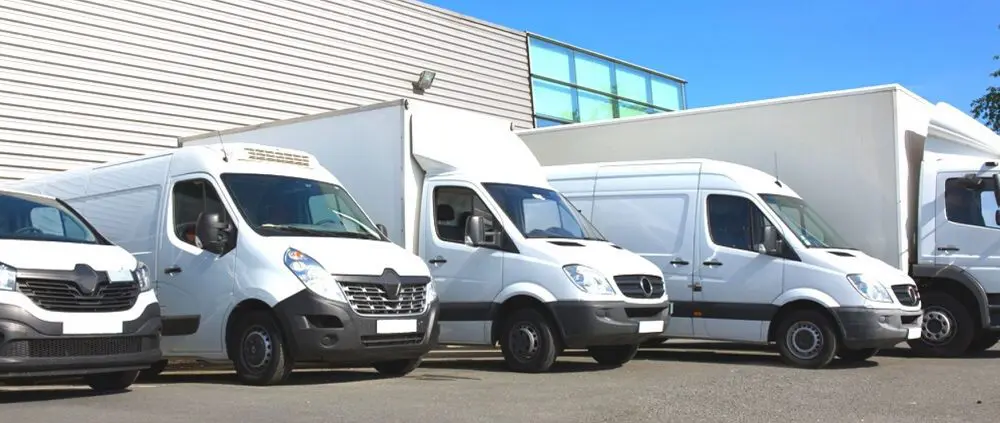
Specialized vehicles, like tow trucks, construction equipment, or delivery vans, often need unique coverage not included in standard policies. Fleet insurance lets you customize coverage for these vehicles, protecting them against damage, theft, and other risks.
By including coverage for specialized vehicles and equipment in your fleet insurance policy, you can protect your business from unexpected losses.
The Long-Term Financial Benefits of Fleet Insurance
Investing in fleet insurance offers long-term financial benefits for your business. It reduces the risk of costly accidents and improves overall risk management.
Fleet insurance protects your vehicles and drivers, minimizing the financial impact of accidents, theft, and unexpected events. This helps you avoid costly repairs and legal fees while supporting your business’s financial health.
Additionally, fleet insurance promotes safer driving practices and provides access to risk management tools and resources.
The Future of Fleet Insurance and Why You Should Switch Now
As more companies recognize the benefits of fleet insurance, the demand for comprehensive and flexible coverage options is on the rise. By switching to fleet insurance now, you can take advantage of the latest innovations in insurance coverage and fleet management.
Why Now Is the Time to Make the Switch
Fleet insurance is evolving to meet modern business needs. New coverage options, risk management tools, and support services are now available. By switching to fleet insurance now, you can position your business for success and protect your assets against future risks.
A good fleet insurance plan protects your vehicles and keeps your drivers safe. It also prepares your business for the future.
Frequenty Asked Questions
How does fleet insurance differ from individual vehicle insurance?
Fleet insurance covers multiple vehicles under a single policy, simplifying administration and often providing cost savings compared to individual policies.
Can fleet insurance help reduce my company’s overall insurance costs?
Yes, fleet insurance can reduce overall insurance costs by offering bulk pricing and discounts for risk management practices.
What types of businesses benefit most from fleet insurance?
Businesses with multiple vehicles, such as logistics companies, construction firms, and delivery services, benefit the most from fleet insurance.
How does fleet insurance improve risk management?
Fleet insurance enhances risk management with coverage options tailored to your industry. It also provides tools for driver monitoring and vehicle maintenance tracking.
What should I look for in a fleet insurance provider?
Look for a provider with flexible coverage options, excellent customer service, and access to fleet management resources.
Is fleet insurance mandatory for companies with multiple vehicles?
While not mandatory, fleet insurance is highly recommended for companies with multiple vehicles to ensure comprehensive coverage and simplified management.
Conclusion
Fleet insurance offers a wide range of benefits that make it an essential investment for businesses with multiple vehicles. Fleet insurance offers cost savings and simplified management. It also provides enhanced coverage and risk management. This protection supports your business in operating efficiently and safely.
As more companies recognize the value of fleet insurance, now is the perfect time to make the switch. With the right coverage, you can protect your assets, reduce your risk, and ensure the long-term success of your business.
